
What are SPF Boosters?
SPF boosters are advanced functional ingredients and formulation technologies designed to enhance the Sun Protection Factor (SPF) and UVA protection of solar care products without requiring a higher concentration of UV filters.
Historically, increasing UV protection claims meant loading formulations with higher levels of organic (chemical) or inorganic (mineral) filters. This frequently resulted in a heavy, greasy skin feel, a noticeable white cast, and potential regulatory or skin sensitivity challenges.
Today, the sun care market is dealing with complex global regulatory restrictions on UV filters, rising scrutiny over environmental impact, and a consumer base that demands the performance without compromising on the sensorial. To deal with these challenges formulators require smarter solutions.
SPF boosters can work through multi-faceted physical, optical, and structural mechanisms. They can improve film formation, increase scattering of UV light and optimise the distribution of UV filters, to prevent particle agglomeration. By incorporating SPF boosting technologies in formulation, cosmetic scientists can achieve high SPF targets with either fewer UV filters or a lower amount of filters in formulation and dramatically elevate the sensory profile of everyday sun care and daily wear hybrid cosmetics.

What is driving the demand for SPF boosters?
1. The conscious beauty evolution
Modern consumers heavily scrutinise ingredients, creating demand for ingredients that are perceived as being “safer”, “cleaner” and “more sustainable.” Because regulatory and consumer pressures limit the use and dosage of certain UV filters, formulators must do more with less. SPF boosters provide a vital mechanism to maximise the efficacy of a minimised UV filter load, helping brands to meet conscious beauty mandates without sacrificing performance.
2. The demand for premium sensoriality and daily wear hybrids
Sun protection is a fundamental pillar of daily anti-ageing and skin longevity routines. An independent YouGov survey commissioned by online retailer Face the Future in 2025 revealed that 55% of UK consumers apply SPF daily or most days, representing an increase from 22% the year before in the same study. Consumers expect their daily SPF to behave like a premium skin care serum or lightweight moisturiser. High levels of inorganic filters (such as Titanium Dioxide or Zinc Oxide) can cause unacceptable whitening and drag on the skin, while excessive organic filters can leave a sticky, oily residue on the skin. SPF boosters can allow for a reduction in total UV filter percentage, allowing the creation of ultra-light, breathable, and cosmetically elegant textures that encourage daily use.
3. Strict regulatory landscape and UV filter restrictions
The global regulatory framework for UV filters is complex, with regional variations in approved filters and maximum usage limits strictly enforced worldwide. The industry faces an innovation ceiling when relying solely on UV filters. Boosting technologies provide a compliant avenue to elevate in vivo SPF values within existing regulatory boundaries.

How do SPF boosters work?
To maximise the performance of a sun care formulation, formulators can leverage several distinct booster mechanisms:
- Light scattering and refractive index modification: Spherical particles and specialised polymers create an optical path elongation effect. By scattering incident UV light within the sunscreen film, the probability of light absorption by the primary UV filters is significantly increased, reducing potential interaction with the skin.
- Uniform film formation and rheology control: Standard emulsions can dry unevenly on the skin, leaving microscopic gaps where UV rays can penetrate. Advanced film-forming boosters ensure a uniform, cohesive, and flexible layer across the skin's uneven surface, maintaining film integrity and ensuring consistent skin protection.
- Mineral filter dispersion optimisation: Inorganic filters are prone to agglomeration, which drastically reduces their active surface area and compromises UV attenuation. Polymeric and lipid-based dispersants keep particles perfectly suspended and spaced in the formulation, maximising particulate efficiency and reducing the visible white cast upon application to the skin.

Formulating for the SPF booster trend
Implementing SPF boosters requires a holistic understanding of emulsion architecture, phase behaviour, and interfacial chemistry.
Inorganic UV filter optimisation
When formulating inorganic sunscreens, particle distribution is paramount. Incorporating specialised ester dispersants and coated mineral oxides prevents flocculation. This approach optimises the UV attenuation curve and enhances the sensory profile by mitigating the heavy, dragging sensation typically associated with high- solid loadings.
Daily wear hybrid formulation
As sunscreens evolve into daily wear formats, consumers increasingly expect ultra-light textures such as serums, fluids and gels that deliver high protection without compromising skin feel. Achieving these aesthetics at high SPF can be challenging, as higher UV filter loads may impact spreadability and sensory performance. By enhancing UV filter efficiency, SPF boosters can help formulators maintain high protection while reducing filter levels, providing greater flexibility to develop lightweight hybrid sunscreen formats with elegant textures and more uniform skin coverage.
Our new ‘SPF Boosters – Your essential selection guide’ is designed to help you find the right SPF booster for your next sunscreen innovation and takes the guesswork out of your ingredient selection.
SPF Booster formulations
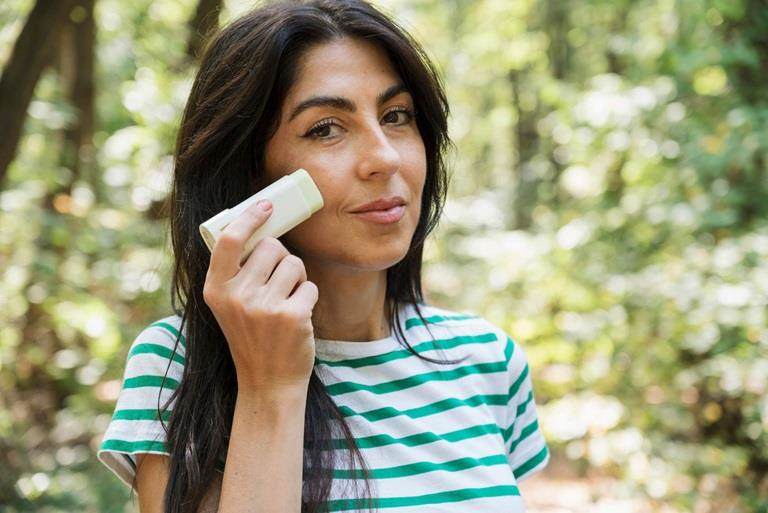
Ceramide Shield Foundation Stick SPF 50

Ceramide Radiance Primer SPF 35
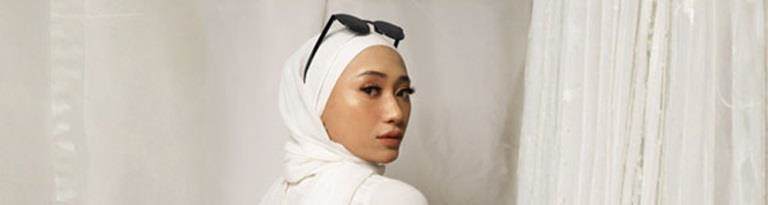
Powerful Protection Hybrid Sun Fluid SPF 50+

Protection Boost Advanced Comfort Sunscreen SPF 30
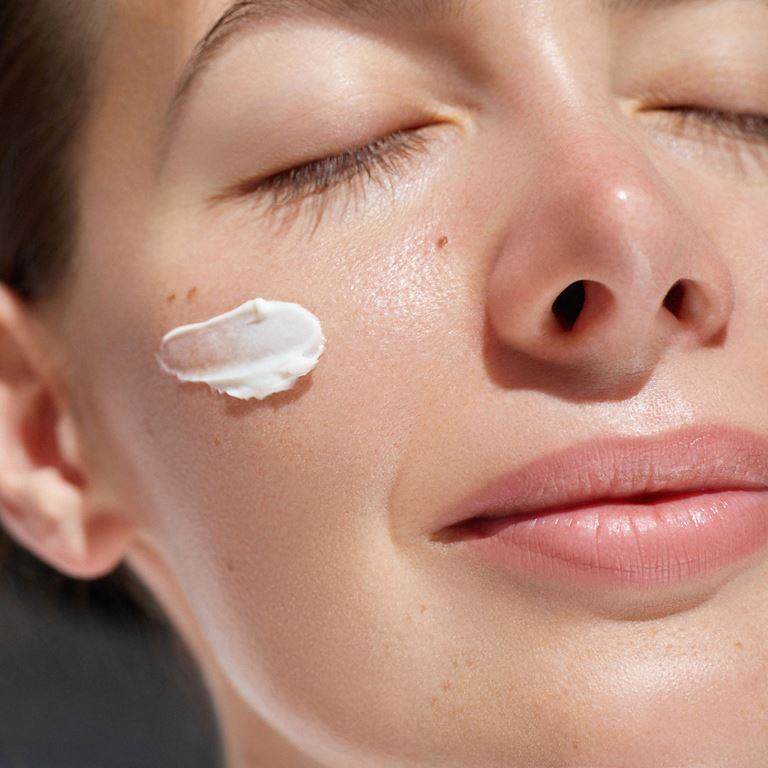
SunSaver Protect Lotion SPF 30

SunSaver Protect Lotion SPF 50+

Watery Burst Sun Protection Cream
Croda’s Capabilities in SPF Boosting
Croda Beauty offers a comprehensive portfolio of high-performance ingredients, designed to unlock the full potential of your sun care formulations. Our globally recognised expertise encompasses:
- NatraGem™ Range: the NatraGem E series comprises 100% natural, robust oil-in-water (O/W) emulsifiers that enable the creation of sunscreens that spread easily and absorb quickly into the skin. The range offers versatile sensory profiles. NatraGem EW delivers rich, nourishing textures. NatraGem E145 can create light, fluid, low-viscosity lotions.
- Crodabond™ CSN offers a powerful solution to bridge the gap between efficacy and elegance through enhanced film formation benefits. This 100% natural emollient has been proven to boost SPF and UVA protection by improving UV filter distribution and enhancing spreadability on the skin. Crodabond CSN supports reliable, uniform skin protection whilst maintaining a smooth and elegant skin feel, enabling high-performance sunscreens without sacrificing wearability.
- OleoCraft™ Technology: A versatile series of oil-structuring polymers that create long-lasting films on the skin, inherently boost SPF performance and deliver versatile textures from lightweight sprays to sticks and balms.
Discover our range of SPF boosting ingredients
It is essential that the sunscreen is evenly distributed over the skin’s surface for maximum protection, ensuring that a coherent protective film is formed on the skin after application and dry-down.

Crodabond™ CSN

SolPerForm™ 100
(2).jpg&mn=beauty&w=768&xr=0&yr=0&xfp=6&yfp=6&hash=6D6E1C81815F36DBD89A875F7C5E6E7519C138999FEC74AA)
OleoCraft™ LP-20
Product rheology is critical to ensure that the sunscreen can spread easily over the skin during application. The rapid recovery of structure after spreading is crucial to maintain an even film on the skin’s surface
.jpg&mn=beauty&w=768&xr=0&yr=0&xfp=6&yfp=6&hash=81AF2506317286E4B0E01C46BFE9012519C138999FEC74AA)
NatraGem™ EW
.jpg&mn=beauty&w=768&xr=0&yr=0&xfp=6&yfp=6&hash=9EC27A9B09D6E6FAA0884FFB355AAC8119C138999FEC74AA)
NatraGem™ E145 NP

SP Natrineo™ CR8 MBAL

SP Syncrowax™ SB1 MBAL

Seatons Rice Bran Wax
Summary
SPF Boosters such as Croda Beauty’s Crodabond™ CSN, the NatraGem™ E series, and the OleoCraft™ range, improve film formation, increase UV scattering and optimise UV filter distribution. Maximising the efficacy of a minimised UV filter load, SPF boosters allow cosmetic scientists to achieve high target SPF and UVAPF values without compromising on formula compliance or environmental standards. Crucially, these technologies enable a reduction in total UV filter levels. Reduced UV filter levels for the same performance are more cost effective. They also help to reduce heavy residues and white casts to deliver the ultra-light, cosmetically elegant, and premium sensorial textures required for modern daily wear hybrid cosmetics.