Heritage beauty

The heritage beauty trend bridges traditional beauty rituals with modern technology. Here we look at what is driving the heritage beauty trend, and how to formulate on-trend products.
Heritage beauty celebrates ancestral knowledge, timeless practices, and ingredients passed down through generations, often tied to specific cultural or regional traditions. From milk baths to hair oiling and facial rolling, consumers have continued to embrace various beauty rituals throughout history.
For cosmetic formulators, this trend represents a unique opportunity to combine technology and tradition. By combining tried-and-tested solutions of the past with modern formulation science, brands can deliver the simplicity, authenticity, and proven efficacy that modern beauty consumers demand.

What is heritage beauty?
Heritage beauty moves beyond superficial market narratives, acting as a bridge between ancient insight and modern innovation. It reinvents time-honoured practices into contemporary personal care products. Examples include: Japanese heritage rituals, traditional Chinese medicine, and traditional Ayurvedic hair oiling.
This approach views the formulation through a holistic lens and designs routines to nurture both the body and mind. For the modern formulator, meeting this trend means using advanced methods like biotechnology and molecular extraction. These methods help maximise the potency, stability, and safety of well-known botanical blends.
What factors are driving the heritage beauty trend?

1. Cultural curiosity and reconnection
Beauty products and routines inspired by cultural practices and heritage ingredients provide a way for consumers to reconnect with their roots and integrate meaningful rituals into daily life. In Japan, for example, 76% of consumers agree that their heritage is an important part of their identity. This connection is particularly vital for younger generations seeking to balance modern lifestyles with a sense of tradition and belonging.
Simultaneously, a globalised audience exhibits an active curiosity to explore the traditions of other cultures, appreciating their unique efficacy. This cross-cultural openness creates distinct opportunities for collaborative cosmetic innovation.
Brands should look to celebrate the origins of ingredients, preserve traditions, and rediscover time-honoured practices passed down through generations. They are expected to do this in a way that is authentic and respectful, ensuring that their origins are honoured and preserved.
2. Evolving Rituals into Holistic Self-Care
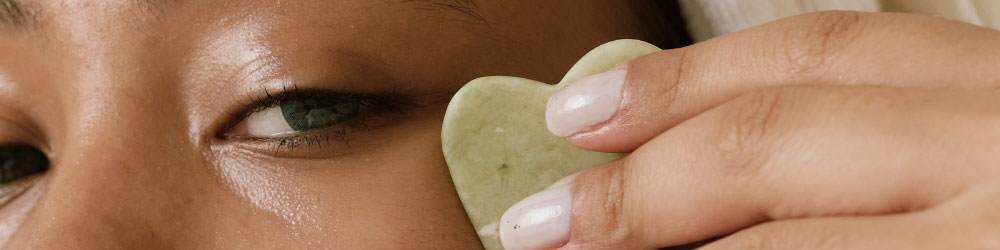
In a recent survey, 53.1% of respondents said that one of the reasons they were spending more on beauty and personal care was ‘to maintain wellness and self-care routines’. These routines often draw inspiration from cultural traditions. For example; facial massages, aromatherapy and gua sha (a traditional Chinese medicine technique that involves scraping your skin with a smooth-edged tool to help improve circulation). Some brands are introducing meditation or breathwork as part of the beauty experience, encouraging people to slow down and create moments of self-care.
3. Intentional Beauty and Ethical Sourcing
Modern shoppers are investing in values, narratives, and brands that reflect their identity and aspirations. 40% of UK adults keep sustainability in mind when choosing personal care products. Many heritage practices are inherently eco-conscious, relying on natural, locally sourced ingredients and minimal processing.

Brands are also focusing on fair trade practices and initiatives such as conservation and regenerative agriculture to protect both the environment and the people behind these traditions. They may also collaborate directly with local and indigenous communities, helping to preserve ancestral knowledge, promote economic empowerment and ensure ethical sourcing.
Authentic storytelling is another key element of this trend driver. Consumers are seeking deeper connections with the brands they support. The heritage beauty trend sees them drawn to narratives that highlight the history, craftsmanship, and wisdom behind the traditions being celebrated.
For example:
- The Body Shop has been a pioneer in sustainable and ethical beauty. It is well known for championing fair trade sourcing, cruelty-free practices, and eco-friendly packaging.
- Shea Radiance source their Shea Butter directly from women run cooperatives in the rural areas of Nigeria and Ghana. The brand supported women via training programs and hope to help provide a pathway to financial independence.
- Fable & Mane was founded by siblings and pays homage to their grandmother's tradition of therapeutic hair oiling. The website states Nikita’s role as “the Creative Director, Storyteller & Product visionary behind Fable & Mane”.
They want to understand the “why” behind a product and expect brands to incorporate these stories, ingredients and traditions in a way that honours and respects their origins. This creates an emotional connection that goes beyond functionality, making the product feel meaningful and rooted in heritage.
This shift indicates that beauty consumers are no longer just buying products—, they are investing in narratives, values, and brands that reflect their identity and aspirations. Brands should look to create products that honour the past while protecting the future.
4. Technology Meets Tradition
While the beauty industry remains innovative—launching over 64,000 products in a single year—brands are increasingly looking to solutions that have stood the test of time. Many traditional practices and ancestral ingredients have been used for thousands of years, reinforcing the idea that they are safe, effective, and valuable. Heritage ingredients like turmeric, rice water, and baobab oil are being refined with modern techniques, such as biotechnology and molecular extraction, to maximise potency and stability. Brands are also leveraging technologies such as DNA analysis and smart beauty devices to make traditional practices more personalised, effective and sustainable.
Market example – rice water
For centuries, people have been using rice water for hair health in India, China, Korea and Japan. This method has seen a resurgence via social media. Users frequently share DIY treatments and extol the benefits of rice water for hair, attracting those who find the historical origins of natural ingredients appealing.
Despite its benefits, many find the process of preparing fermented rice water to be labour intensive, smelly and messy. This opens opportunities for brands to target those who want to experience the rice water method without the hassle. Brands can, for example, provide ready-made alternatives like Cécred's Fermented Rice & Rose Protein Ritual, which claims to, once activated by water, instantly transform into a fortifying hair rinse treatment.
Within this trend driver it is important to note that performance is still a key purchase driver for consumers. Explore some of the innovative products from our portfolio at the bottom of this page.
Who is the heritage beauty trend for?
The heritage trend appeals to an intentional consumer base that prioritises purpose, authenticity, and sustainability alongside product performance. These consumers seek a deeper connection with their personal care routines, demanding to understand the "why" behind a product. They value high-quality, multipurpose products that offer a sense of identity, cross-generational storytelling, and verified ethical standards.
Reimagining heritage ingredients for modern formulations
Formulators can revive historical ingredients and enhance their performance in modern lifestyles using innovative active components. Key trending heritage ingredients from the Croda Beauty portfolio include:
- Heliami™ Ginseng EC: Ginseng is a staple of traditional herbal medicine used to energise the skin, boost elasticity, and provide a radiant, healthy glow.
- Fruitliquid™ French Pomegranate EC: Pomegranate is Renowned historically for being deeply hydrating and nourishing, enhancing the skin's natural radiance and resilience.
- Cosme-Phytami™ Rosemary: Rosemary continues to shine in modern skin care for its powerful antioxidant, anti-inflammatory, and antimicrobial properties.
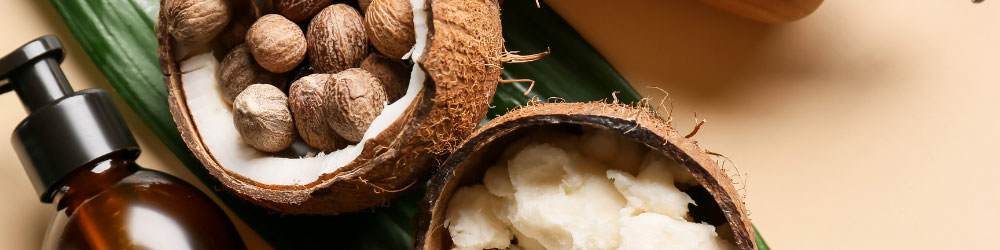
- Seatons Refined Shea Nut Butter: Shea butter is rich in essential fatty acids, offering time-tested moisturising, anti-inflammatory, and protective barrier properties.
- Crodarom™ Black Quinoa: Black quinoa is ideal for moisturising and nourishing the skin. Its natural saponin content brings anti-inflammatory properties to soothe sensitive skin types.
- Phytessence™ French Rose EC: Beyond its timeless cultural and romantic symbolism, rose delivers proven astringent, toning, and skin-healing benefits. You can find out more in our blog "The timeless greatness of rose in natural cosmetics: A journey from ancient times to a promising future."