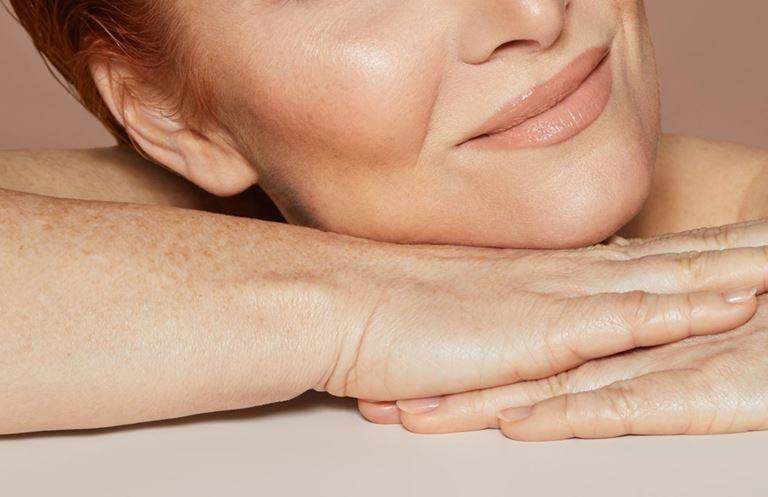
In 2020, a meta-analysis of published studies found the self-reported prevalence of sensitive skin to be 71% of all adults a figure which had increased from 46% two decades prior. Subsequent studies have found similar results across genders, regions and ethnicities. Sensitive skin is a pervasive concern among consumers that presents a distinct opportunity for beauty brands. But what are the factors that have driven this increase?

How many people have sensitive skin?
The level of consumer awareness of sensitive skin and skin concerns is astonishingly high, and crucially, on the rise. While exact figures can vary depending on the methodology and demographics of studies, the consensus points to a significant portion of the global population self-identifying with sensitive skin. A recent meta-analysis and systematic review of 26 studies across 18 countries suggested 71% of the general population had sensitive skin to some degree. This prevalence of self-declared skin sensitivity has grown in a number of countries, including the UK, US, India, China and Japan.
For most individuals, self-declaration of sensitive skin is likely influenced by experiencing dry skin, redness or breakouts, with worry that continued experience may lead to acute skin conditions such as dermatitis.
Perhaps most critically for our industry, the perception of sensitive skin is increasing. This is likely due to a combination of factors:
- Increased awareness: Consumers are more educated about skin health and more attuned to how their skin reacts to products and the environment.
- Environmental factors: Rising pollution levels, changes in climate, and exposure to various irritants can exacerbate skin sensitivity.
- Lifestyle stressors: Stress, lack of sleep, and modern diets can impact skin barrier function and overall skin resilience.
What does the prevalence of sensitive skin mean for the beauty industry?
This means that "sensitive skin" is not a small consumer niche; it is a mainstream skin care requirement. Brands that fail to address this concern are effectively overlooking a majority segment of potential customers.
The imperative is clear: every product, or at least a significant portion of a brand's portfolio, should be formulated with sensitivity in mind.
This includes hair care and sun care too. Sun protection products are obviously applied to skin and need to consider the worries of consumers with sensitive skin. Scalp care and scalp sensitivity is increasingly a concern. According to a report by Euromonitor, the scalp care market in Europe has grown by 3.3% in the past 2 years to an estimated $23.2 billion and is projected to grow a further 19% through 2029.
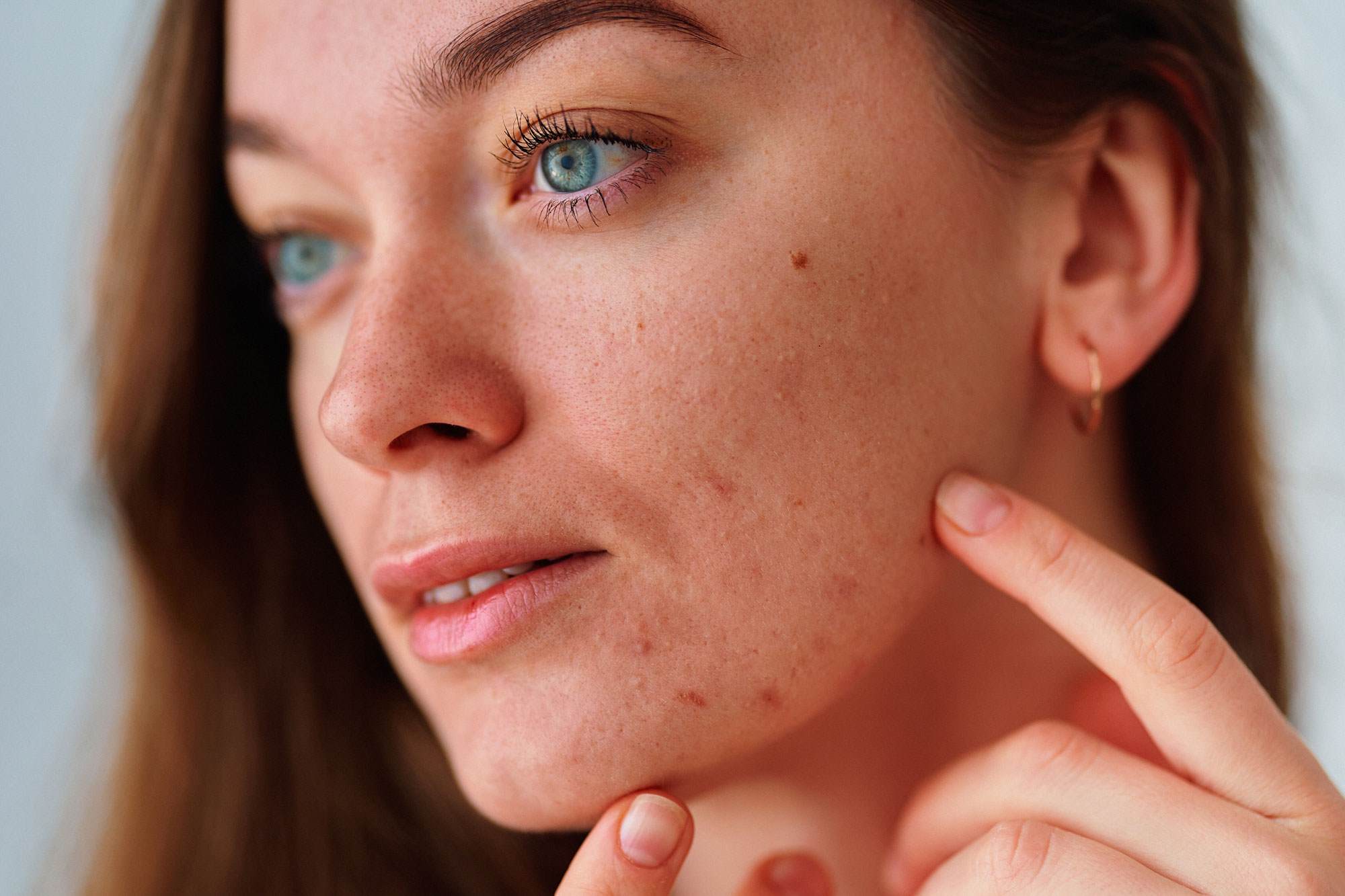
Formulating for sensitive skin
Formulation considerations for consumers with sensitive skin encompass a number of key considerations that must be balanced to create effective end results.
True sensitive skin requires more than a passive, "free-from" marketing claim; it demands a deliberate, scientifically backed approach designed to defend against environmental aggressors, mitigate neurosensory irritation, and actively restore skin homeostasis.
The key pillars to consider when formulating around sensitive skin claims are:
- Protect and repair the skin barrier
- Protect and repair the microbiome
- Reduce irritation
- Incorporate active ingredients with soothing or strengthening properties
- Create textures which are soothing, pleasant and non-irritating
Repair and protect the skin barrier
One of the primary causes of skin sensitivity is a compromised stratum corneum. When the extracellular lipid matrix is disrupted, the skin experiences an increase in transepidermal water loss (TEWL) and becomes highly vulnerable to airborne pollutants, allergens, and opportunistic microbial colonisation. Formulations which actively restore this layer of the skin must supply the precise building blocks necessary.
A primary strategy involves incorporating a class of skin-identical lipids called ceramides that can seamlessly integrate into the lamellar phases of the lipid barrier. One example is DS-Ceramide Y3O-HP™, a bio-fermentation derived, skin-identical Ceramide NP (Ceramide 3). As an essential structural component of the intercellular cement, it actively fills the structural gaps in compromised skin, significantly reducing TEWL and accelerating barrier recovery. DS-Ceramide Y3O-HP is part of our SphingoCare range of ceramides and sphingolipids.
To complement ceramide delivery, formulators should focus on inducing physiological changes within the lipid matrix. Avocadin™ HU25 MBAL offers an elegant solution. This plant-based complex is rich in essential fatty acids, vitamins A and E, and phytosterols. By replenishing these sterols, Avocadin HU25 MBAL reinforces epidermal barrier function, preserving the skin's structural youthfulness and providing long-term hydration.
Finally, the selection of the emollient phase plays a crucial role in barrier defence. Formulators should avoid heavy, occlusive ingredients that can disrupt natural skin mechanics. Crodamol™ ISIS works via a novel mechanism. It optimizes the natural liquid-crystalline structures of the skin lipids, boosting the skin’s inherent capacity to retain moisture and maintain an optimal barrier matrix without adding unwanted greasiness or weight.
Add microbiome support
The skin microbiome is an integral extension of the physical skin barrier. In a sense it can be considered the 4th layer of the skin. It behaves as a living shield, communicating constantly with the underlying immune system via the skin-brain-immune axis. In sensitive skin, dysbiosis—an imbalance in the microbial community—often leads to the overgrowth of opportunistic pathogens at the expense of beneficial bacteria. This microbial imbalance triggers a sustained inflammatory response, weakening the physical lipid matrix and exacerbating neurosensory sensitivity.
By supporting a diverse and balanced microbiome, formulators can proactively mitigate the inflammatory cascades that drive skin sensitivity. Ecodermine™ is a selective prebiotic complex designed specifically to preserve and restore the skin’s ecological balance. It works by providing a targeted nutrient source that favours the growth of beneficial commensal flora while inhibiting undesirable microorganisms. This selective optimisation reinforces the skin's biological defences, helping to prevent the micro-inflammatory cycles that cause redness, itching, and dryness.
The award-winning BB-Biont crossacts on the human holobiont by preserving the cutaneous microbiome biodiversity while stimulating the reconstruction of the skin. It slows down the growth of Cutibacterium acnes and deconstructs its biofilm to avoid inflammatory skin damage.

Incorporate soothing and strengthening actives
While physical and biological barrier restoration are is vital, sensitive skin formulations must also address neurosensory discomfort such as itching, stinging, and burning. As well as addressing symptoms of sensitive skin, they need to address the underlying inflammatory cascade. The active phase must calm hyper-reactive pathways while building long-term skin resilience against future chemical or environmental triggers.
To directly target the neurosensory triggers of reactive skin, Pacifeel™ serves as an exceptionally effective botanical active. It works systematically to target both the signs and the root causes of skin reactivity, helping to improve the threshold of skin resilience against external aggressors. The result is a visible reduction in redness and a significant improvement in overall skin comfort, making it a foundational tool for reactive skin typologies
To combat the visible signs of oxidative stress and environmental fatigue, Phytessence™ Osmanthus provides targeted antioxidant and soothing benefits. Derived from the fragrant sweet olive flower, this botanical extract helps to neutralise free radicals before they can trigger the cellular stress pathways that lead to barrier degradation and sensitivity flares. It adds a layer of natural, protective serenity to leave-on treatments.
For rapid relief and cellular recovery, Prolevium™ delivers highly effective soothing properties designed to comfort stressed, irritated skin. It works efficiently to downregulate pro-inflammatory markers, helping to break the cycle of redness and discomfort. Incorporating Prolevium™ into post-procedure creams or SOS daily salves ensures that the skin receives immediate comforting reinforcement while long-term barrier repair takes place.
Complementing these targeted actives, Cytokalmine™ EC offers an upcycled solution with potent soothing and anti-inflammatory properties. It works by reducing oxidative stress and neutralizing free radicals generated by environmental stressors, protecting vulnerable cell membranes from premature damage and helping to maintain daily skin tranquillity.

Reduce irritants or find milder alternatives
A common pitfall in sensitive skin product design is the inclusion of aggressive surfactant packages or high-HLB emulsifiers that strip away essential surface lipids and denature stratum corneum proteins. For foaming cleansers, body washes, or micellar systems, the choice of primary and co-surfactants dictates the safety profile of the finished product.
Traditional sulphated surfactants are known to disrupt stratum corneum cohesion.
Formulators should transition to amino-acid-derived alternatives, such as the Crodasinic™ LS range. Comprising options like Crodasinic™ LS30 (Sodium Lauroyl Sarcosinate), this family of anionic surfactants is derived from natural fatty acids and sarcosine. They generate an exceptionally rich, creamy lather and provide effective detergency, while remaining highly biodegradable and outstandingly mild on sensitive membranes.
An ultra-mild sophorolipid biosurfactant produced via biotechnology, NatraFusion™ SL HA offers an alternative to traditional surfactant chemistries used in personal care applications. When used as a co-surfactant, NatraFusion SL HA offers synergistic mildness and cleansing boosting benefits, with no detrimental impact upon foam production. This enables the creation of high-performance facial cleansers that meet the growing needs of consumers, particularly around the protection of skin health and delivering viable solutions for those with sensitive skin types, without compromising on performance.
To further mitigate the irritation potential inherent to surfactant systems, incorporating functional counter-irritants is highly recommended. Cromollient™ SCE is a multi-functional emollient specifically designed to mitigate surfactant-induced irritation. When formulated into cleansing gels, micellar waters, or shampoos, it imparts noticeable mildness to the surfactant matrix, leaving behind a conditioned, soft skin feel without altering foam density or stability.
Texture and delivery system
For those with sensitive skin, the sensory experience of a formulation can be a factor in their perception of how effective it is. If a cream feels heavy, difficult to spread, or creates excessive drag on application, the friction itself can trigger mechanical irritation on a sensitive face or scalp. The vehicle must ensure an effortless, low-friction application while optimizing active delivery.
For oil-in-water (O/W) emulsions, Arlacel™ 2121 (Sorbitan Stearate (and) Sucrose Cocoate) delivers exceptional performance. This biodegradable, PEG-free emulsifier creates robust, stable structures with excellent spreading kinetics. Upon skin contact, it breaks down effortlessly to provide a smooth, ultra-light, and non-tacky sensory profile that reduces mechanical skin stress during application.
To stabilise low-viscosity surfactant systems or delicate micellar waters without relying on heavy, synthetic polymers that might compromise skin mildness, rheology modifiers must be carefully selected. Versathix™ is a highly efficient, versatile rheology modifier that provides superior shear-thinning properties. It allows for the creation of elegant, smooth-pouring textures that transition instantly to a low-viscosity fluid under application shear, facilitating easy rinsing and minimizing rub-resistance.
Finally, when the product form dictates a clear microemulsion or an ultra-fine mist, leveraging advanced phosphate chemistry can yield sophisticated results. Using a combination of Procetyl™ AWS and Crodafos™ O3A allows formulators to easily solubilize hydrophobic emollients, such as Crodamol™ STS, into stable, transparent aqueous sprays. This architecture provides the skin-softening benefits of an oil within a weightless, refreshing delivery format that completely bypasses the need for rubbing.
Examples of formulations for sensitive skin
Sensitive skin formulations

Bioferment-infused reviving cream
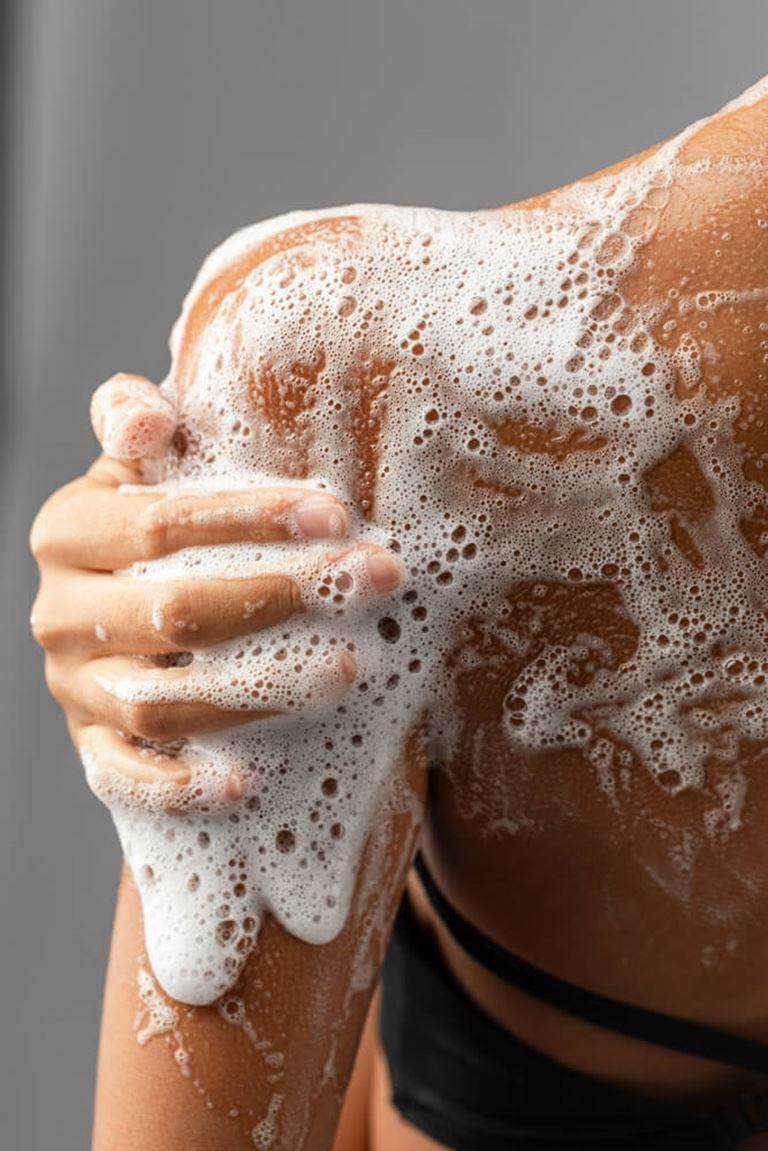
Clinical study body wash gel
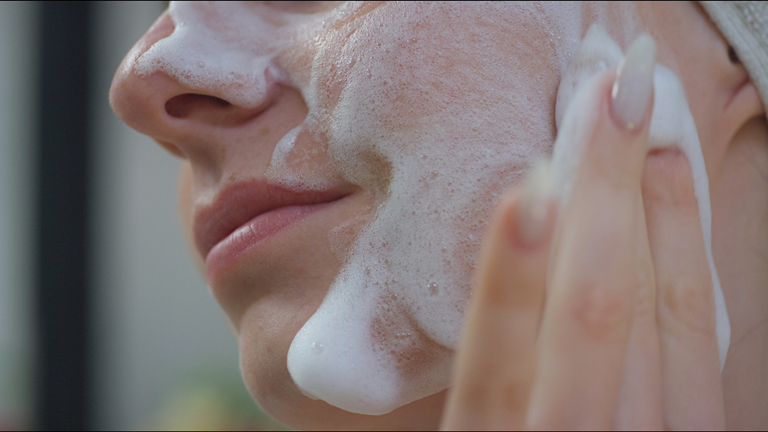
Infusion Cream Soft Cleanser with Delicate French Rose
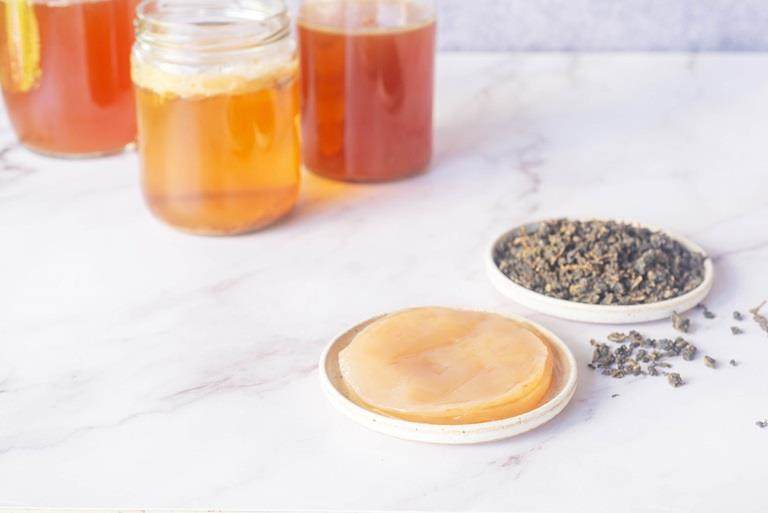
Radiance Water - Soft Cleanser with Kombuchka