Deciphering Skin-Tech: The perfect alliance of advanced biomimetic peptides & beauty devices for optimal results

Once mainly associated with dermatology clinics or aesthetic practitioners, beauty devices are now shaping the way consumers view skin performance at home and in professional settings.
Ageing skin involves interconnected biological and structural changes, including slower renewal, reduced extracellular matrix production, tissue thinning, loss of firmness, visible wrinkles, dullness and shifts in facial morphology. Since a single approach rarely addresses all these aspects efficiently, many have begun to integrate technological devices into their beauty routines.
As usage grows, the focus shifts from whether beauty devices or active ingredients are more effective, to how both can work together to enhance clinical performance.
This article explores how beauty devices and biomimetic peptides, despite their differences, can synergise in stimulating multiple biological processes essential for youthful, healthy skin.

The rise of Tech-assisted beauty
The social media influence
Beauty devices have become part of the modern hair and skin care conversation. Whether it is microneedling rollers, LED masks, microcurrent, ultrasound or radiofrequency tools, consumers are enthusiastic about incorporating beauty devices into their routines.
According to a Mintel study in the US, these devices are gaining rapid adoption among Gen Z and Millennial young adults thanks to their openness to experimentation and trend-savvy behaviour. While 80 % of Gen Z and 77 % of Millennial internet users integrate or are interested in buying hair care or skin care devices, 61 % of beauty device users look to social media for recommendations about which beauty device to buy.¹
What makes these devices particularly compelling is their ability to interact with skin cells through different forms of stimulation and provide visible clinical results.
Common technologies for beauty devices
There are several technologies associated with beauty devices. A cosmetic device may be based on a mechanical, acoustic, light, thermal or electrical stimulus. While their benefits may vary, their shared purpose is to influence skin cells’ behaviour and support visible improvements in skin quality.
Aside from massage tools such as Gua Sha, on-trend beauty devices include:
- Microneedling is a mechanical stimulus that creates controlled micro-lesions in the skin and triggers wound-healing processes and dermal remodelling, including collagen III and VII neosynthesis.² ³
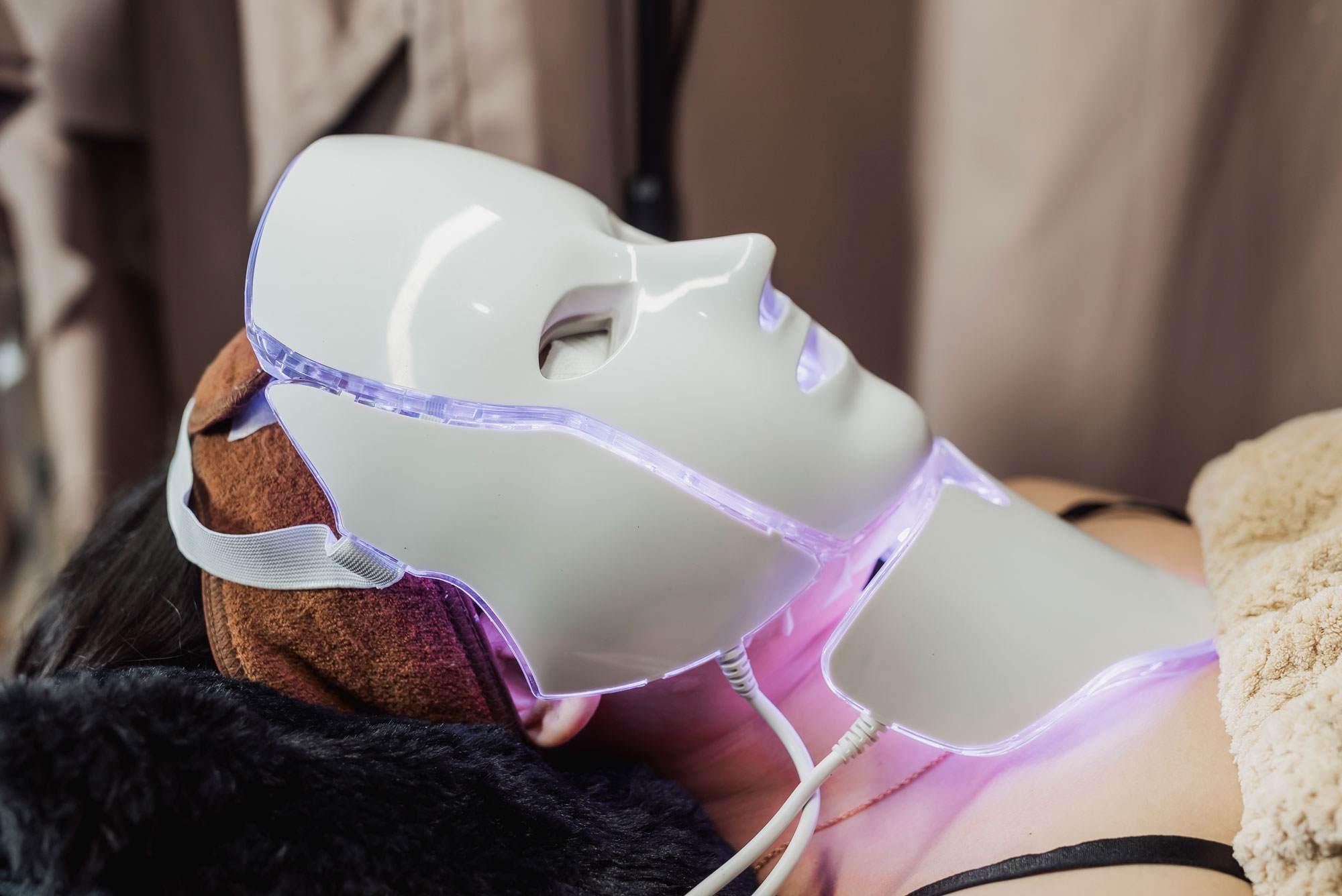
- LED photobiomodulation, phototherapy or luminotherapy is associated with light-mediated cellular signalling. In the skin, light energy is absorbed by cell photoreceptors, leading to cellular energy modulation and activation of cellular factors involved in survival, proliferation, migration and protein synthesis. These modulations can lead to an increase in collagen density, refined skin texture and complexion, wrinkle reduction and smoothness.⁴ ⁵
- Radiofrequency delivers heat to the dermis, inducing heat shock protein increases, collagen helical changes and neocollagenesis by fibroblasts, associated with improvements in skin texture, firmness and rejuvenation.⁶
- Microcurrent beauty devices mimic the bioelectric signal generated in the skin after an injury. They use low-level electrical currents, affecting skin, subcutaneous tissues and muscles. They are mainly associated with facial toning, improved radiance, wrinkle appearance and contour definition, while emerging research explores their influence on cellular energy and repair pathways.⁷
Cell stimulation: The common language between beauty devices and active ingredients
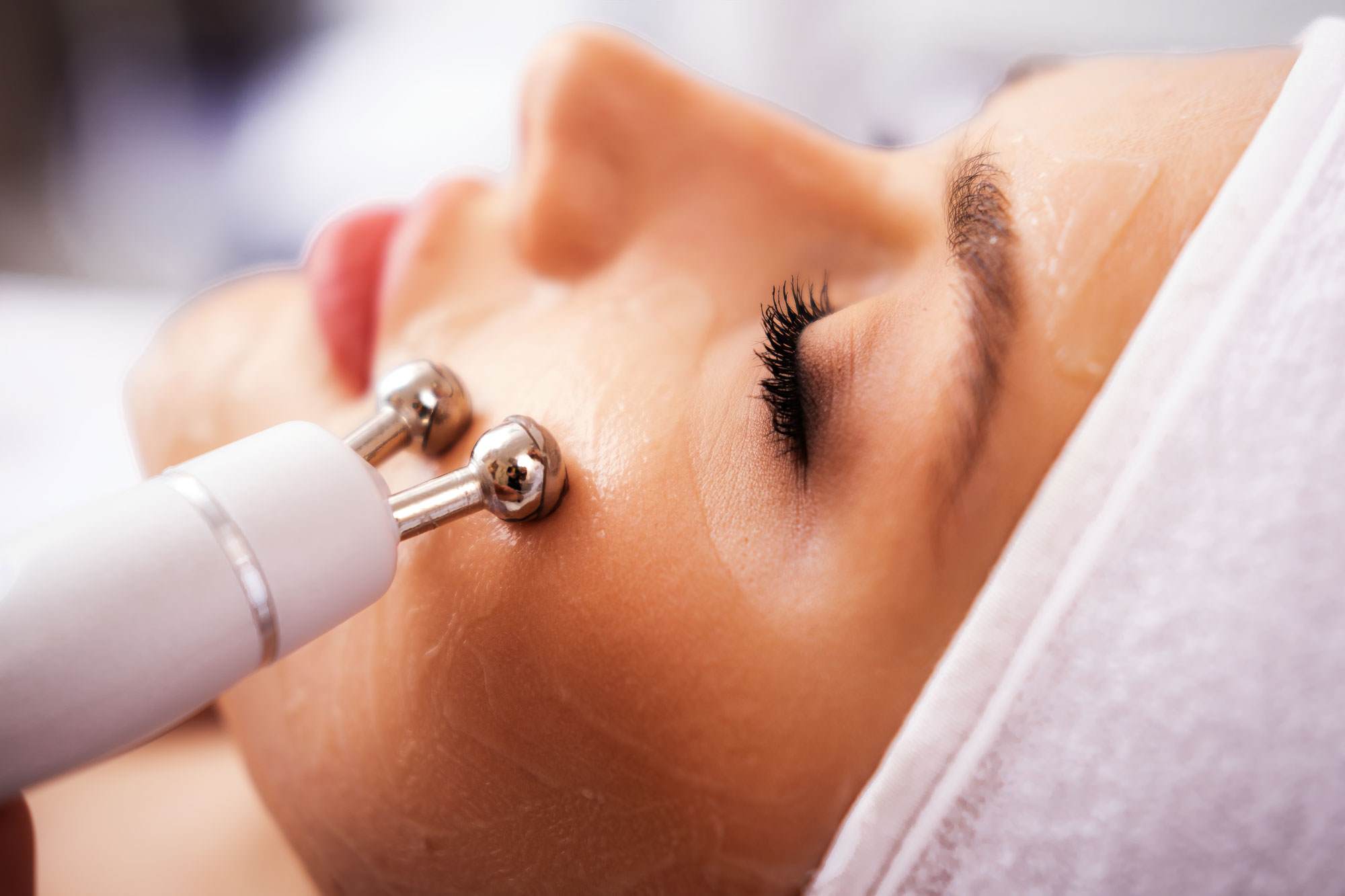
Beauty devices and active ingredients like anti-wrinkle peptides both serve as messengers to the skin, either physically or biochemically, to promote repair and enhance vitality.
For instance, Matrixyl® peptides mimic the skin’s natural repair and structural processes to improve wrinkle appearance. These endogenous extracellular matrix (ECM) fragments, referred to as matrikines, are released during tissue turnover, injury or remodelling. They act as signalling molecules or biological messengers that inform surrounding cells of matrix changes to enable repair, renewal or adaptation.
How matrikines work
How matrikines work
Activating the skin's natural repair intelligence: Matrixylᵀᴹ Neolide™ and microneedling
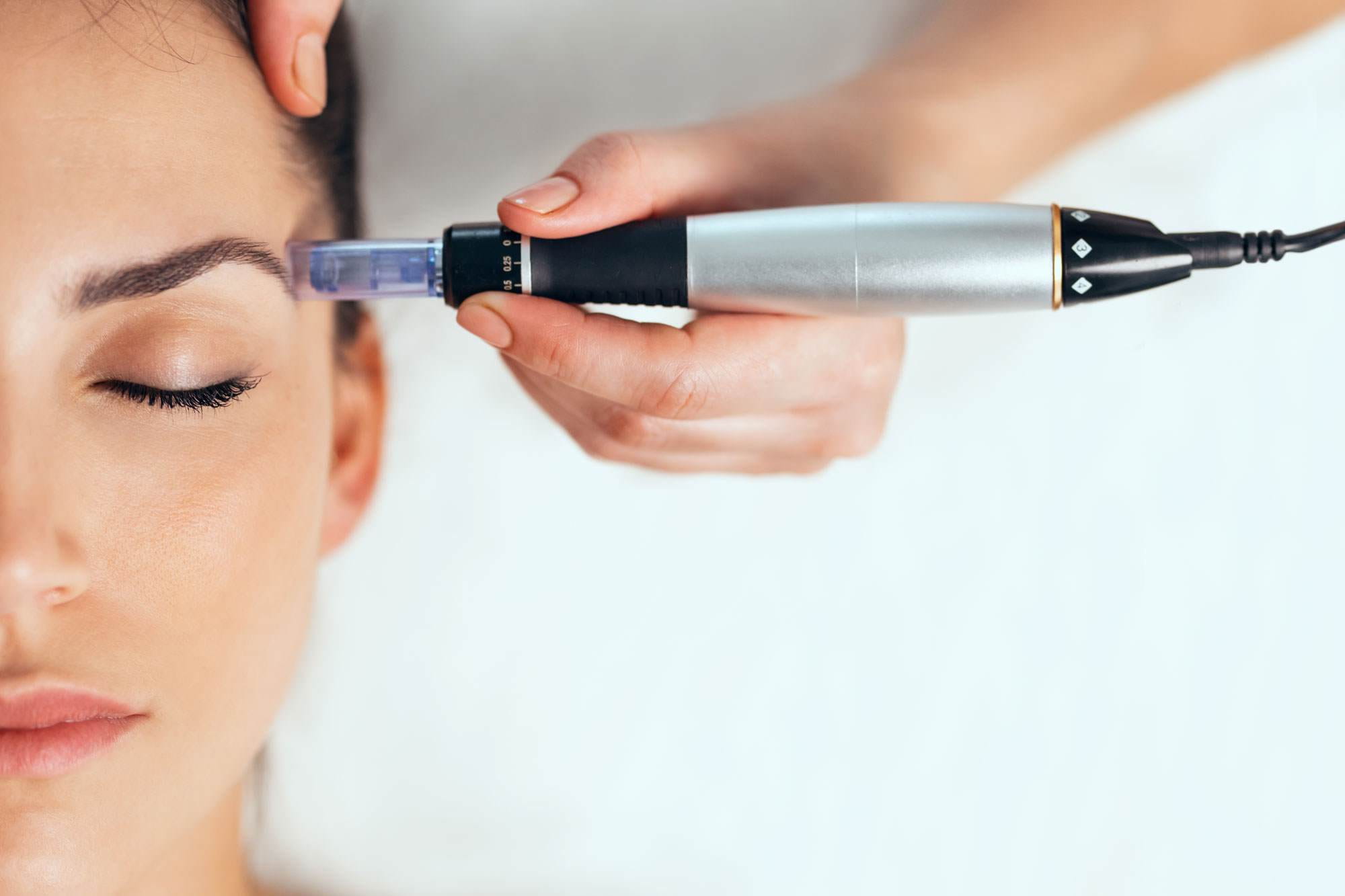
Microneedling has become one of the most recognised cosmetic procedures for improving the appearance of skin texture, wrinkles, firmness and overall skin quality. By creating controlled mechanical stress in the skin, it initiates a repair response involving cellular communication, ECM remodelling and tissue renewal, often described as collagen induction.
Interestingly, one of the skin's natural responses to tissue remodelling is the release of matrikines that inform surrounding cells about matrix changes and repair requirement.
Matrixyl Neolide is inspired by the skin's own ECM regenerative intelligence. As a collagen matrikine, it delivers a biochemical stimulus designed to support cellular pathways involved in repair, structural renewal, firmness and visible wrinkle reduction.
Therefore, pairing Matrixyl Neolide with microneedling supports a more intelligent approach to skin rejuvenation. This beauty protocol combines controlled physical stimulation with biomimetic signalling for consumers seeking high-performance routines, improving the appearance of wrinkles, firmness, texture and overall skin resilience.
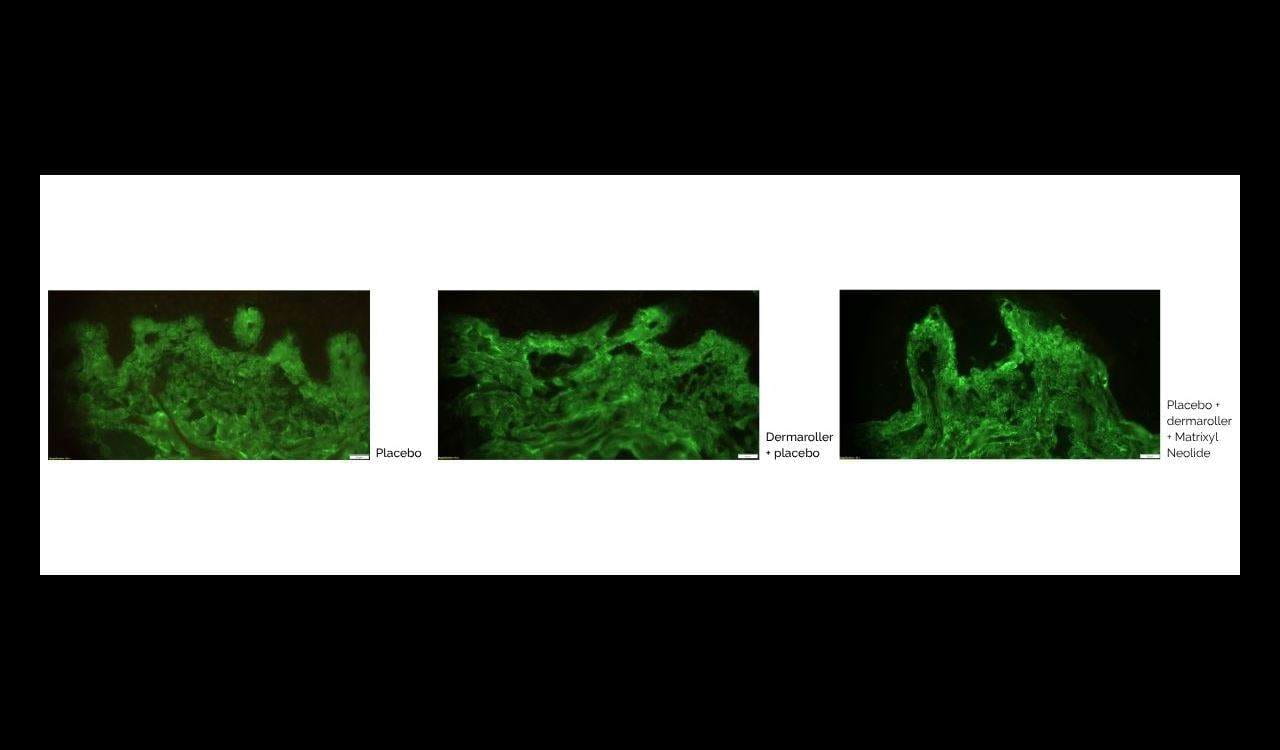
Figure 1: Synergistic effect of Matrixyl Neolide and microneedling on the synthesis of the skin repair collagen III (the greener the colour intensity, the greater the amount of collagen III produced)
Illuminating the skin's structural foundation: Matrixylᵀᴹ Synthe'6™ and LED phototherapy
When we think about skin ageing, we often focus on wrinkles as surface features. However, wrinkles originate from progressive changes occurring within the skin's architecture.
Over time, the collagen network, glycosaminoglycans, laminins and adhesion proteins that support the skin become less organised. As this structural framework weakens, visible signs of ageing set in.
Matrixyl Synthe'6 is designed to stimulate the synthesis of six key extracellular matrix components associated with the dermal-epidermal junction (DEJ) and dermal matrix, including collagen I, collagen III, collagen IV, fibronectin, hyaluronic acid and laminin-332 (formerly laminin-5). This peptide is inspired by a fragment naturally found in collagen VI and laminins and is proven to rebuild the skin's structural foundation.
LED phototherapy is a non-invasive technology particularly attractive to consumers as they seek gentle and easy-to-integrate beauty devices for skin rejuvenation. It uses specific wavelengths of visible and near-infrared light to interact with cellular chromophores, stimulating biological processes associated with skin vitality and renewal. On dermal fibroblasts, it enhances cellular energy (ATP), stimulates efficient cell function, improving neocollagenesis and tissue homeostasis for a more radiant skin, smoother-looking complexion, reduced redness and wrinkle appearance.
This makes LED phototherapy an interesting partner for Matrixyl Synthe'6 as it encourages cellular activity and supports fibroblast function to regenerate the dermal epidermal junction and rebuild the skin’s architecture foundation. In this substantiation model, LED phototherapy was used as a photonic stress-recovery stimulus to evaluate how Matrixyl Synthe’6 may support collagen synthesis after UV-induced degradation.
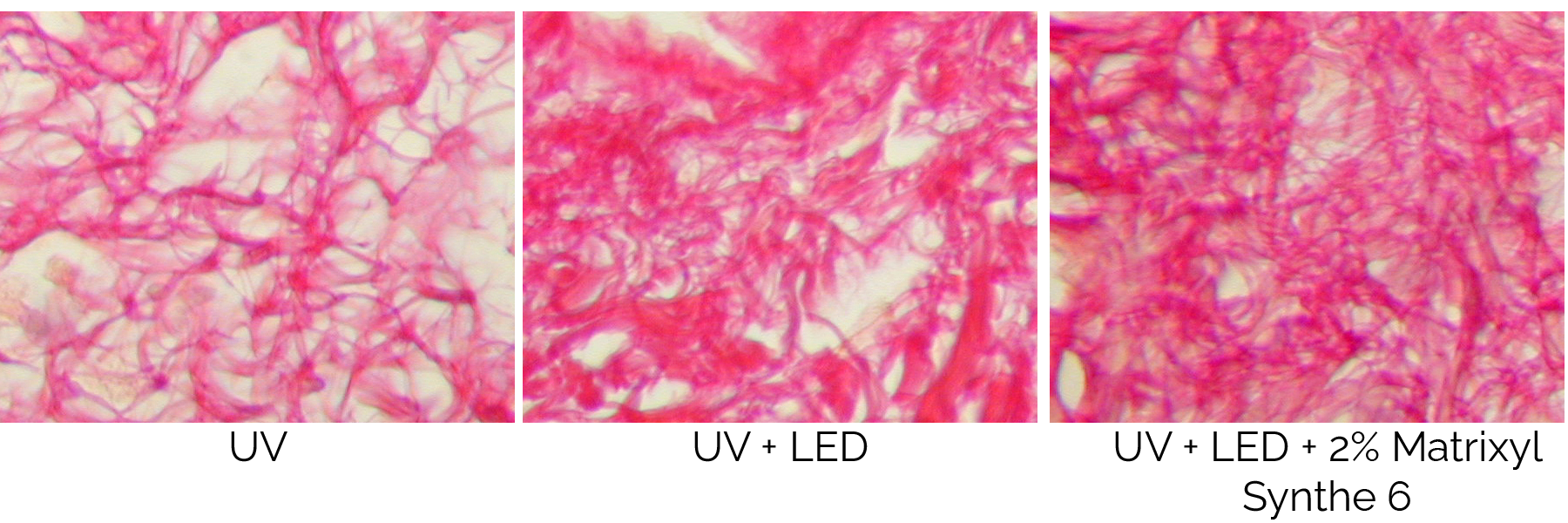
Figure 2: Effect of Matrixyl Synthe'6 combined with LED phototherapy on the collagen synthesis after UV degradation.
Exploring the future of 360° strategies in skin rejuvenation and longevity
Longevity science shows that a variety of factors beyond collagen loss drive skin ageing. This involves changes in cellular communication, ECM organisation, repair capacity, tissue structure, barrier quality, hydration, radiance and resilience. Addressing this complexity requires more than one strategy. This is where combining beauty devices with biomimetic peptides is particularly powerful.
By mimicking the skin's own communication pathways, Matrixyl peptides provide biochemical signals that modulate cellular activity, establishing a sophisticated synergy with the physical stimuli delivered by beauty devices. Together, they help create a more complete dialogue with the skin, offering a multi-modal approach to longevity and visible skin rejuvenation.
In this new beauty landscape, performance is not defined by a single technology. It is defined by intelligent systems that specifically address the complexity of skin biology.
Then, the future of skin care may not be about choosing between devices and ingredients. It may be about understanding how different forms of stimulation can work together to guide the skin toward a healthier, smoother and more youthful-looking appearance.