
Protecting forests. By building more resilient beauty supply chains.
Croda Beauty is working towards 100% deforestation-free sourcing across key bio-based feedstocks by 2030, combining traceability, certification, technology and industry collaboration to help drive measurable progress.

What deforestation-free sourcing means
Deforestation-free sourcing seeks to ensure that agricultural raw materials are not associated with the loss of natural forest.*
For Croda Beauty, protecting forests via responsible, deforestation-free sourcing addresses:
- Our overall corporate commitment to be both Nature and Climate Positive by 2030, targeting climate change due to land-use change emissions and preservation of nature’s diverse ecosystems
- Industry needs for more resilient supply chains
- Regulatory requirements
- Our customer expectations (and ultimately consumer expectations) for products free from deforestation associations
Ultimately, deforestation-free sourcing supports our wider ambition of Zero Biodiversity Loss, a key focus with Beauty of Zero.
* https://accountability-framework.org/topics/deforestation-and-conversion/
Palm: Our most advanced deforestation-free sourcing programme
Palm-derived feedstocks represent one of the largest and most complex agricultural supply chains used by the beauty industry. As a result, palm remains a key focus area for Croda's deforestation-free sourcing strategy.
Our Progress in 2025:
- 63% of palm-derivative raw material volumes were Deforestation and Conversion Free
- 78% were traceable to plantation level
- 91.7% were certified as RSPO Physical Mass Balance or better
Why responsible palm sourcing matters
Palm and palm-kernel oil are some of the most efficient tropical oil crops available in the supply chain. The yields per hectare of land far surpass other oils widely used in the market, meaning a responsible sourcing of palm (and palm kernel) oil can show lower impacts than other similar raw materials**. The composition of the oils make palm oil and palm kernel oil extremely versatile for numerous functions. With palm-derived ingredients delivering functionality, performance and consistency across a wide range of beauty and personal care applications.
Palm-derived ingredients have complex supply chains that can extend from plantations and mills to refineries, processors and ingredient manufacturers. Greater visibility across these stages helps organisations:
- understand potential sourcing risks
- make better-informed purchasing decisions
- support biodiversity and climate commitments
- strengthen sustainability reporting
- communicate progress with greater confidence
**Source: IUCN

Better visibility supports better decisions
Through Action for Sustainable Derivatives (ASD), Croda maps palm-derivative supply chains across refineries, mills and plantations. This mapping supports supplier engagement, risk assessment and more informed sourcing decisions.
In 2025, mapping activity covered 98.5% of Croda’s palm-derived raw material volumes, providing greater visibility into the origins of key feedstocks to assess evidence, identify risks and focus further action.
Supporting landscapes and smallholder farmers
Responsible sourcing requires attention both to the local ecosystems as well as the communities connected to ingredient production.
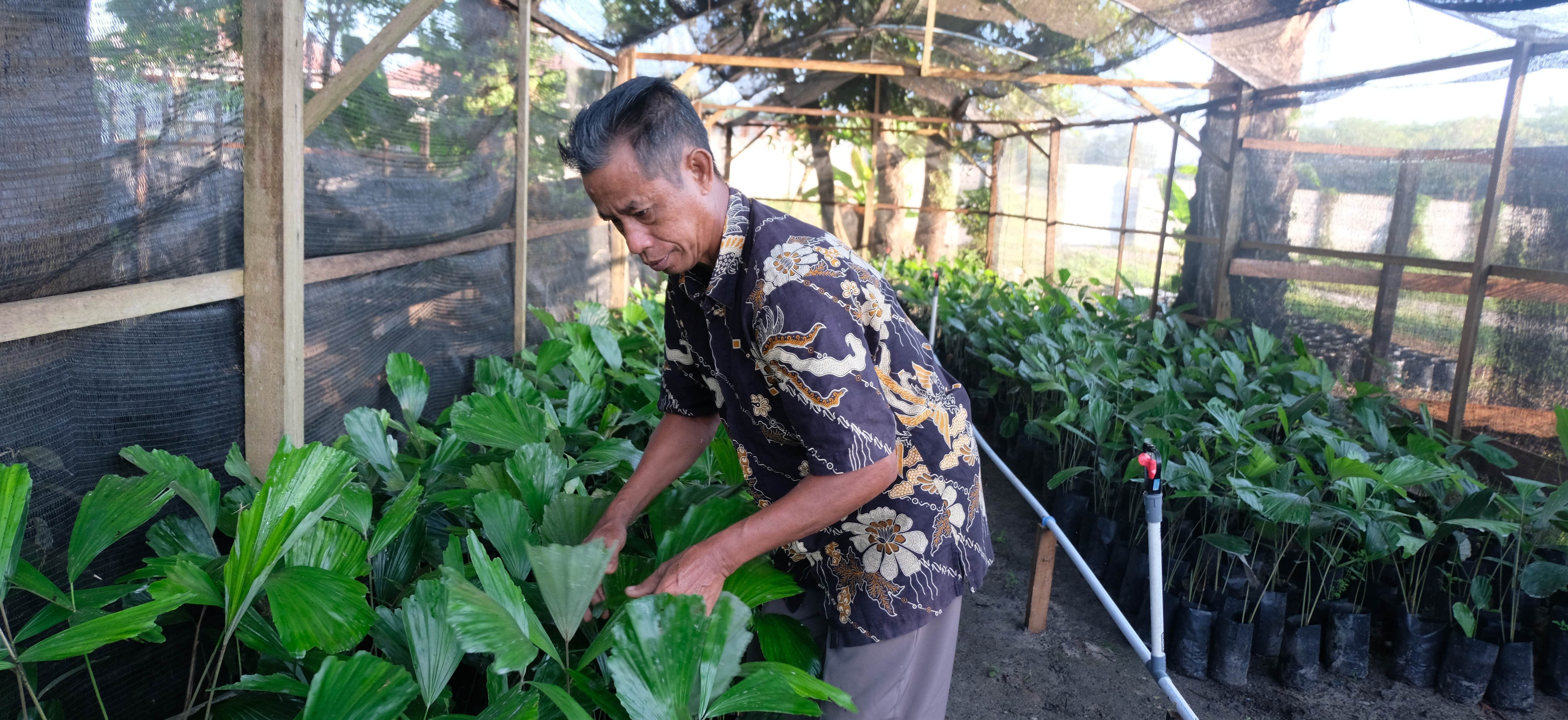
Through the Action for Sustainable Derivatives Impact Fund, Croda Beauty and the Croda Foundation have supported Kaleka’s Mosaik Initiative, which helps smallholder farmers in Central Kalimantan, Indonesia.
Reported programme outcomes for 2025 included***:
- 1,749 hectares of forest protected through social forestry initiatives
- 103.5 hectares restored across five villages
- 1,790 RSPO Independent Smallholder Credits made available to ASD members
- 260 smallholder farmers supported through the RSPO certification process
These are programme-level outcomes demonstrate how collective action can support traceability, landscapes and livelihoods alongside responsible sourcing.
***Source: ASD Annual Update on Progress December 2025
Independently assessed progress
Croda received a total score of 78/100 (Category A) in the Sustainable Palm Index (SPI) for 2025. The SPI is an evaluation scorecard for suppliers of palm-based derivatives aimed at assessing the level of commitments, processes and achievements in terms of sustainable sourcing practices ('No Deforestation, No Peat and No Exploitation' (NDPE) principles). It is a self-disclosure questionnaire issued by ASD with independent verification based on desk information.
SPI scores are classified depending on scores for individual categories across commitments, processes and achievements, as well as the overall score. Possible categories include A+, A, B, C and D. Croda’s SPI score has continuously increased year-on-year over the past 5 years up to and including the 2025 SPI assessment.
External assessment provides an additional perspective on the strength and transparency of responsible palm programmes. It complements, rather than replaces, Croda’s own reporting and continued work towards its 2030 ambition.
What this can mean for your brand
Working with an ingredient partner committed to responsible sourcing can help your brand:
- improve visibility into supply chains
- identify and understand sourcing risks
- access evidence for sustainability reporting
- strengthen the substantiation behind sourcing communications
- support biodiversity and responsible-sourcing goals
As regulatory expectations and stakeholder scrutiny continue to evolve, transparency across ingredient supply chains is becoming increasingly valuable.